
 For Individuals
 For Enterprises
 Coaching Matters
 International Coaching Week
 Ebooks
 Podcasts
 Blogs
Blogs Community
Feminism, Loneliness & Why Indian Men Are in Crisis
In a rapidly evolving society like India, where traditional values clash with modern aspirations, men are facing an unprecedented crisis. From the pressures of hustle culture to the loneliness epidemic sweeping through urban lives, many Indian men are grappling with unspoken traumas and societal expectations that leave them isolated and overwhelmed. In a recent podcast episode, Dr. Shubham Vatsya, a gold medalist gastroenterologist and senior consultant at Fortis, dives deep into these issues. Drawing from his expertise on the gut-brain connection and personal insights, Dr. Vatsya explores how feminism, childhood discipline, and materialism contribute to this crisis. This blog post unpacks the conversation, shedding light on the complexities of mental health for Indian men, the double-edged sword of feminism, and the path toward holistic healing. If you're an Indian man feeling the weight of these challenges—or someone who cares about them—this discussion might just resonate deeply.
The Roots of Trauma: Childhood Discipline and Societal Pressures
Indian upbringing often starts with rigid discipline, which Dr. Vatsya describes as ahidden traumathat shapes men's emotional landscapes from a young age. He paints a vivid picture:You are a 4-year-old boy. You have to sleep at 10:00 because you have to wake up at 6:00... then you have to study because best studying is in the morning... you have to go to school six hours... perform the best... become the topper.This relentless schedule, rooted in economic insecurity and lack of social safety nets, is passed down generations like achicken egg theory,where parents gift their anxieties to their children.
Hustle Culture: The Treadmill of Anxiety and Materialism
Hustle culture's mental challenges include chronic stress, high cortisol levels, and disrupted sleep—issues Dr. Vatsya sees in his patients as gut-related problems stemming from the brain. Breaking this cycle requires reevaluating priorities: stepping away from thetreadmillof endless striving and embracing a life with purpose beyond material success. If hustle culture has left you anxious, consider how redefining success could alleviate the loneliness and mental strain many Indian men endure.
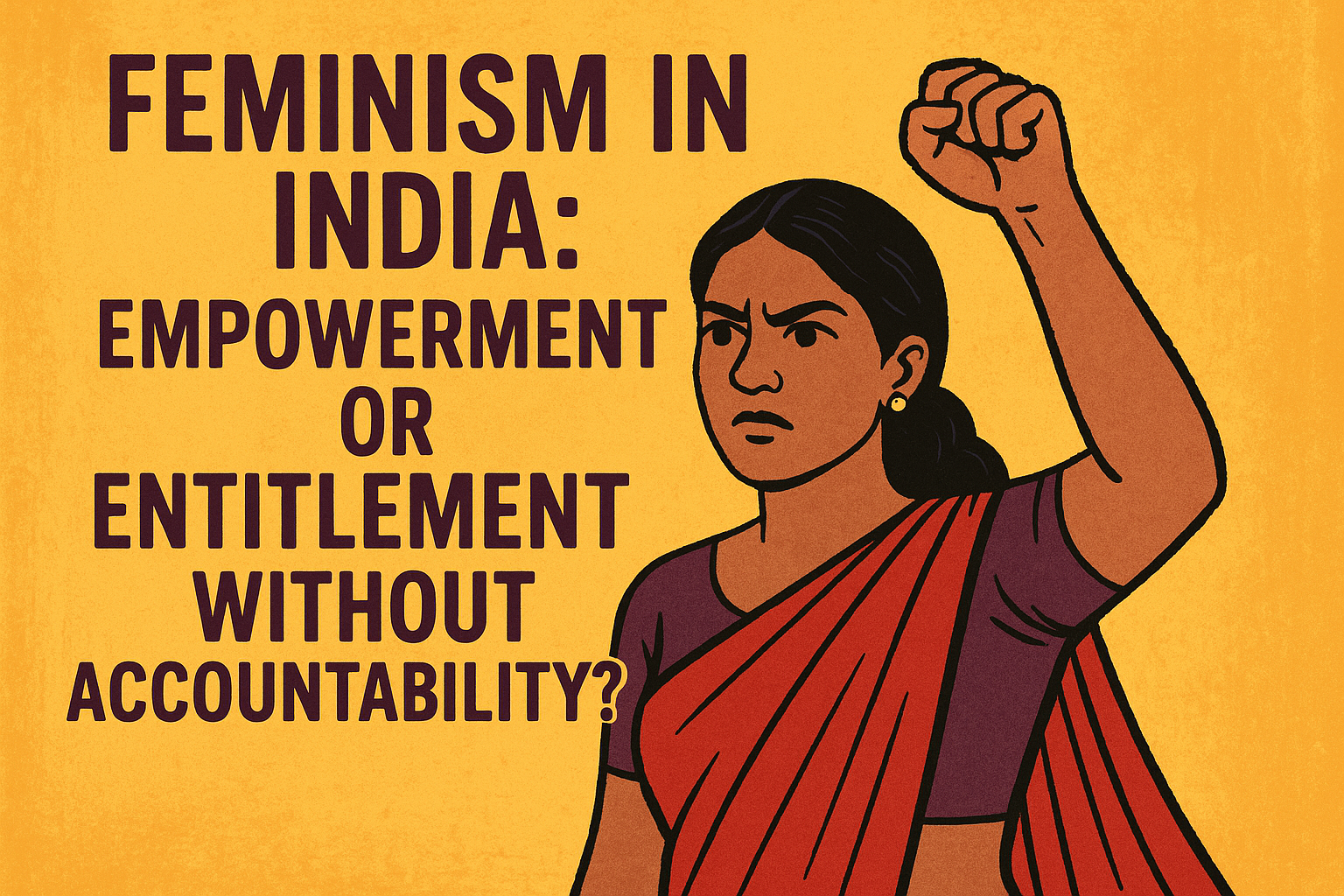
Feminism in India: Empowerment or Entitlement Without Accountability?
Feminism is a powerful force for equality, but Dr. Vatsya critiques its misuse in India, where it sometimes leads to lack of accountability. He shares an anecdote: a man bumped by a woman's car is beaten by a crowd assuming his guilt, illustrating howit is a world of women.True feminism, he argues, isn'tno uterus, no opinionbut shared responsibility.
In relationships, women might demand high-earning partners while offeringentitlement without accountability,like beauty as their sole contribution. Dr. Vatsya warns of trauma bonds, where men fall for love-bombing only to face ghosting or benching, reigniting childhood abandonment fears.Females are more emotionally mature... they find weaknesses in a man,he explains, leading to cycles of stress and health issues.
Yet, feminism done right promotes equality. Dr. Vatsya advises men to prioritize mental peace:A wise man... will keep his mental peace as the highest Rolls-Royce in his life.This empathetic view encourages dialogue on how feminism can uplift all genders without deepening the crisis for Indian men.
Holistic Health: The Key to Overcoming the Crisis
Dr. Vatsya stresses holistic health—balancing mental, emotional, and physical well-being—as essential.Mental health is equally important... success is intelligence quotient into emotional quotient,he says. Without emotional maturity, intelligence falters, making men puppets to life's tests.
Practical steps include sleeping on impulses, drawing boundaries, and focusing on the gut-brain connection for better mood and sleep. In a materialistic world, holistic healing means valuing peace over possessions and letting go of toxic influences.
Conclusion: A Call for Empathy and Change
The crisis facing Indian men—fueled by feminism's complexities, rampant loneliness, and societal pressures—is a wake-up call for reflection. As Dr. Vatsya's insights reveal, unaddressed trauma, hustle culture, and social media's illusions create a perfect storm. Yet, there's hope in embracing vulnerability, prioritizing holistic health, and fostering accountable relationships.